Australia's Evidence-Based Cinnamon Resource
Cinnamon & Metabolic
Health — The Evidence
Every claim backed by peer-reviewed clinical research — not trends, not anecdote. Designed for Australians who want honest, clear health information.
- Blood sugar & insulin support
- PCOS & hormone research
- Ceylon vs Cassia safety explained
- Cinnamon dosage — evidence-based
- Heart health & cholesterol evidence
13
Evidence-based articles
100+
Cinnamon recipes
50+
Clinical studies cited
100%
Free, no sign-up required
4,000+
Years of Traditional Use
150+
Active Clinical Trials
131,420
ORAC Antioxidant Score
16
Researched Health Areas
Ancient Spice, Modern Science
What is Cinnamon?
Cinnamon is derived from the inner bark of trees belonging to the genus Cinnamomum. Used for over 4,000 years in traditional medicine, modern research has investigated its bioactive compounds — including cinnamaldehyde, cinnamic acid, and cinnamate — for their potential antioxidant, anti-inflammatory, and antimicrobial properties. All content on this site is for educational and informational purposes only.

Ceylon Cinnamon
Known as "true cinnamon," Ceylon is lighter in color with a delicate, complex flavor. It contains significantly less coumarin (0.004%) making it safer for long-term use. Primarily grown in Sri Lanka, it's the preferred variety for medicinal purposes and is recommended by researchers for daily supplementation.

Cassia Cinnamon
The most commonly sold variety worldwide, Cassia has a stronger, spicier flavor and darker color. It contains higher levels of coumarin (up to 1%), which can be hepatotoxic in large doses. While still beneficial, moderation is key. Most grocery-store cinnamon is Cassia, originating from China, Indonesia, or Vietnam.
Research-Based Information
16 Researched Areas of Interest
Each area references peer-reviewed clinical trials, meta-analyses, and laboratory studies. This content is for educational purposes only and does not constitute medical advice.
Blood Sugar & Glycaemic Research
Cinnamon is among the most studied natural compounds in glycaemic research. Studies suggest it may influence insulin sensitivity, glucose uptake by cells, and carbohydrate digestion — though results vary and this is not medical advice.
1-6g/day was associated with reduced fasting blood glucose in type 2 diabetics over 40 days.
Khan et al., Diabetes Care, 2003
Meta-analysis of 10 RCTs found cinnamon associated with lower fasting glucose and HbA1c.
Allen et al., Annals of Family Medicine, 2013
Cinnamon extract was associated with improved insulin sensitivity in a double-blind trial.
Hlebowicz et al., American Journal of Clinical Nutrition, 2007
120mg/day of cinnamon extract was linked to reduced fasting blood sugar in a small study.
Crawford, Journal of the American College of Nutrition, 2009
Key Compound: Cinnamaldehyde & methylhydroxychalcone polymer (MHCP) studied for potential insulin-mimetic activity
Cardiovascular Research
Research suggests cinnamon may influence cardiovascular markers including cholesterol, triglycerides, and blood pressure. These findings are from published studies and are presented for educational purposes only.
Reduced total cholesterol by 12-26%, LDL by 7-27%, and triglycerides by 23-30%.
Khan et al., Diabetes Care, 2003
Meta-analysis confirmed significant reductions in triglycerides and total cholesterol.
Davis & Yokoyama, Journal of Medicinal Food, 2011
Cinnamon supplementation reduced systolic blood pressure by 5.39 mmHg.
Akilen et al., Clinical Nutrition, 2012
Key Compound: Cinnamate and cinnamaldehyde improve lipid metabolism and endothelial function
Neuroscience Research
Emerging research suggests certain cinnamon compounds may influence neurological markers including tau protein aggregation and neuroinflammation. These are preliminary findings and should not be interpreted as treatment claims.
Cinnamon extract inhibited tau aggregation and amyloid-β formation linked to Alzheimer's.
Peterson et al., Journal of Alzheimer's Disease, 2009
Sodium benzoate (cinnamon metabolite) improved learning, memory, and neuronal function in mice.
Jana et al., Journal of Neuroimmune Pharmacology, 2013
Cinnamon consumption improved attention, virtual recognition memory, and working memory.
Wahlqvist et al., Nutritional Neuroscience, 2016
CEppt (cinnamon extract) reduced Parkinson's disease symptoms in mouse models.
Khasnavis & Bhatt, Neuroimmune Pharmacology, 2014
Key Compound: Sodium benzoate (NaB) upregulates neurotrophic factors BDNF and NT-3 in the hippocampus
Antimicrobial Research
Laboratory studies suggest cinnamaldehyde may exhibit activity against certain bacteria and fungi. These findings are largely from in vitro research and are presented for informational purposes only.
Cinnamon oil inhibited growth of E. coli, S. aureus, L. monocytogenes, and Salmonella.
Ooi et al., American Journal of Chinese Medicine, 2006
Cinnamaldehyde showed strong antifungal activity against Candida albicans biofilms.
Shreaz et al., Fitoterapia, 2016
Cinnamon essential oil was effective against drug-resistant Pseudomonas aeruginosa.
Utchariyakiat et al., J Appl Microbiol, 2016
Cinnamon compounds inhibited HIV-1 virus replication in vitro.
Premanathan et al., Indian J Med Res, 2000
Key Compound: Cinnamaldehyde disrupts microbial cell membranes and inhibits biofilm formation
Inflammation Research
Studies indicate cinnamon's bioactive compounds may influence inflammatory markers such as NF-κB, TNF-α, and IL-6. This research is ongoing and presented here for educational reference only.
Cinnamon extract significantly reduced NF-κB activation and inflammatory cytokine production.
Hong et al., Biochemical Pharmacology, 2012
7 flavonoid compounds in cinnamon showed potent anti-inflammatory activity comparable to drugs.
Liao et al., Phytomedicine, 2012
Reduced CRP, TNF-α, and IL-6 levels in patients with rheumatoid arthritis.
Shishehbor et al., Journal of the American College of Nutrition, 2018
Key Compound: Proanthocyanidins and cinnamaldehyde suppress NF-κB and COX-2 pathways
Antioxidant Research
Cinnamon ranks among the highest antioxidant spices by ORAC value. Research suggests its polyphenols may help neutralise free radicals — though dietary antioxidants should not replace medical treatment.
Cinnamon ranked #1 among 26 spices for antioxidant activity (ORAC of 131,420 µmol TE/100g).
Shan et al., Journal of Agricultural and Food Chemistry, 2005
Cinnamon polyphenols reduced oxidative stress markers and increased SOD enzyme activity.
Mancini-Filho et al., Plant Foods for Human Nutrition, 2009
Significantly increased total antioxidant capacity in type 2 diabetic patients.
Roussel et al., Journal of the American College of Nutrition, 2009
Key Compound: Polyphenols, proanthocyanidins, and catechins provide superior free-radical scavenging
Metabolism Research
Some studies suggest cinnamon may influence metabolic rate and appetite-related hormones. This research is presented for educational interest and should not replace personalised dietary or medical advice.
Cinnamon supplementation reduced body weight, BMI, waist circumference, and body fat mass.
Mousavi et al., Clinical Nutrition, 2020 (meta-analysis)
Cinnamaldehyde activated thermogenesis in human adipose cells, increasing fat burning.
Jiang et al., Metabolism, 2017
3g/day of cinnamon reduced postprandial insulin response and increased GLP-1 levels.
Hlebowicz et al., Am J Clin Nutr, 2009
Key Compound: Cinnamaldehyde activates thermogenesis via UCP1 in adipocytes
Oral Health Research
Laboratory studies suggest cinnamon's antimicrobial properties may be relevant to oral bacteria associated with tooth decay and gum disease. These findings are preliminary and for educational reference only.
Cinnamon essential oil eliminated Streptococcus mutans biofilms (primary cause of cavities).
Chaudhari et al., J Clinical & Diagnostic Research, 2016
Cinnamon-based mouthwash reduced salivary S. mutans counts comparably to chlorhexidine.
Gupta & Jain, J Indian Society of Pedodontics, 2015
Cinnamaldehyde reduced planktonic growth of Porphyromonas gingivalis (gum disease).
Moon et al., BMC Complementary Medicine, 2011
Key Compound: Cinnamaldehyde and eugenol disrupt oral biofilm formation
Respiratory Research
Cinnamon has been used traditionally for respiratory support. Some animal and laboratory studies suggest its compounds may influence airway inflammation. These findings require further human clinical research.
Cinnamaldehyde reduced airway inflammation and hyperresponsiveness in asthma models.
Hagenlocher et al., Molecular Nutrition & Food Research, 2013
Cinnamon extract reduced lung inflammation markers and mucus production.
Kandhare et al., Pharmacognosy Research, 2013
Anti-allergic properties inhibited mast cell degranulation and histamine release.
Hagenlocher et al., Mol Nutr Food Res, 2013
Key Compound: Cinnamaldehyde modulates Th1/Th2 balance in airway inflammation
Bone Health Research
Preliminary research suggests certain cinnamon compounds may influence bone cell activity. Most evidence comes from animal and in vitro studies — human clinical data is still limited.
Cinnamic acid promoted osteoblast differentiation and mineralization in vitro.
Katsumata et al., Biochem Pharmacol, 2015
Cinnamon extract improved bone mineral density in ovariectomized rat models.
Oishi et al., Phytotherapy Research, 2012
Key Compound: Cinnamic acid stimulates osteoblast activity via BMP signaling
Wound Healing Research
Some studies suggest topical cinnamon preparations may influence wound closure and collagen activity. This research is early-stage and should not be used as a substitute for medical wound care.
Topical cinnamon oil accelerated wound closure by 73% compared to controls.
Farahpour et al., Wound Medicine, 2015
Cinnamon-infused dressings enhanced fibroblast proliferation and collagen deposition.
Hosseini et al., Int Wound Journal, 2015
Key Compound: Cinnamaldehyde promotes fibroblast migration and VEGF expression
Oncology Research (Preclinical)
Preclinical laboratory studies suggest certain cinnamon compounds may influence cancer cell behaviour in vitro. This research is exploratory and does not constitute evidence of cancer prevention or treatment.
Cinnamon extract inhibited proliferation and induced apoptosis in colorectal cancer cells.
Koppikar et al., BMC Cancer, 2010
Cinnamaldehyde reduced melanoma tumor growth by 50% and inhibited angiogenesis.
Kwon et al., Cancer Letters, 2009
Cinnamon polyphenols inhibited VEGF-dependent tumor angiogenesis in vivo.
Lu et al., BMC Cancer, 2010
Cinnamon extract induced apoptosis in lymphoma and cervical cancer cells.
Schoene et al., Cancer Letters, 2005
Key Compound: Cinnamaldehyde activates pro-apoptotic caspase pathways and inhibits NF-κB in tumor cells
Digestive Health Research
Research suggests cinnamon may have gastroprotective and antimicrobial properties relevant to digestive health. These are scientific findings for educational reference — not a substitute for medical advice.
Cinnamon extract showed gastroprotective effects, reducing gastric ulcer index by 62%.
Tankam & Itharat, J Med Assoc Thai, 2009
Cinnamaldehyde exhibited significant anti-H. pylori activity at minimum inhibitory concentration.
Ali et al., World J Gastroenterol, 2005
Cinnamon improved gastric emptying rate and reduced postprandial blood glucose response.
Hlebowicz et al., Am J Clin Nutr, 2007
Key Compound: Cinnamaldehyde and eugenol reduce gastric acid secretion and enhance mucosal defense
PCOS Research
Some clinical studies have explored cinnamon's potential role in insulin resistance and menstrual health in women with PCOS. Results are preliminary — always consult a qualified healthcare provider.
1,500mg/day cinnamon improved menstrual cyclicity in women with PCOS over 6 months.
Kort & Lobo, American Journal of Obstetrics & Gynecology, 2014
Cinnamon supplementation reduced insulin resistance and improved lipid profiles in PCOS.
Wang et al., Fertility and Sterility, 2007
Cinnamon improved antioxidant status and reduced androgen levels in PCOS patients.
Hajimonfarednejad et al., Phytother Res, 2018
Key Compound: MHCP improves insulin receptor phosphorylation, addressing root PCOS pathology
Skin Health Research
Studies suggest cinnamon extracts may influence collagen synthesis and exhibit antimicrobial activity relevant to skin health. This information is for educational purposes only.
Cinnamon extract increased collagen type I synthesis and protected against UV-induced damage.
Takasao et al., Biosci Biotechnol Biochem, 2012
Cinnamaldehyde showed significant anti-tyrosinase activity (skin brightening potential).
Lee et al., Phytotherapy Research, 2011
Cinnamon oil combined with honey reduced acne lesions by 50% in 8 weeks.
Julianti et al., J Pharm Technol Drug Res, 2017
Key Compound: Proanthocyanidins crosslink collagen and elastin fibers, improving skin firmness
Immune System Research
Some research suggests cinnamon polyphenols may influence immune cell activity. These findings are from laboratory studies and are presented for informational purposes — not as health claims.
Cinnamon polyphenols enhanced natural killer cell activity and T-cell proliferation.
Vetal et al., Pharm Biol, 2013
Cinnamaldehyde enhanced macrophage phagocytic activity by 45%.
Kanari et al., Int Immunopharmacol, 2012
Cinnamon extract reduced immunosuppression caused by high-fat diets in animal models.
Cao et al., Exp Biol Med, 2007
Key Compound: Proanthocyanidins and cinnamaldehyde modulate TLR4 signaling
Research Library
Featured Articles
Interactive Resources
Tools & Guides
About the Author
Sarah Chen, BSc (Nutrition)
Health Science Writer & Researcher
Based in Melbourne, Australia
Sarah holds a Bachelor of Science in Nutrition from the University of Melbourne and has spent five years reviewing clinical research on botanical medicine and metabolic health. She specialises in translating complex nutritional science into clear, evidence-based guidance for everyday Australians.
All articles on CinnamonHealth are written to reflect published clinical evidence — not trends or anecdote. References are drawn exclusively from peer-reviewed journals including Diabetes Care, The American Journal of Clinical Nutrition, and Annals of Family Medicine.
Read our full editorial policyWhy Trust CinnamonHealth
Peer-reviewed sources only
Every health claim is sourced from published randomised controlled trials, meta-analyses, or systematic reviews. No influencer claims, no anecdote.
Australian-specific context
Dosage guidance, product recommendations, and regulatory information are tailored to the Australian market and TGA standards.
Balanced, honest assessments
We clearly state when evidence is weak, preliminary, or contradictory. We don't overstate what cinnamon can do.
Updated as research evolves
Articles are reviewed and updated when new significant research is published, with clear 'last reviewed' dates on each page.
No sponsorships or affiliate links
CinnamonHealth has no commercial relationships with supplement manufacturers. Product mentions reflect research quality only.
Evidence-Based Publishing Standard
Every article cites peer-reviewed clinical trials. We use GRADE methodology, clearly distinguish RCTs from observational data, and update content when new research is published.
13
articles
50+
studies cited
2026
updated
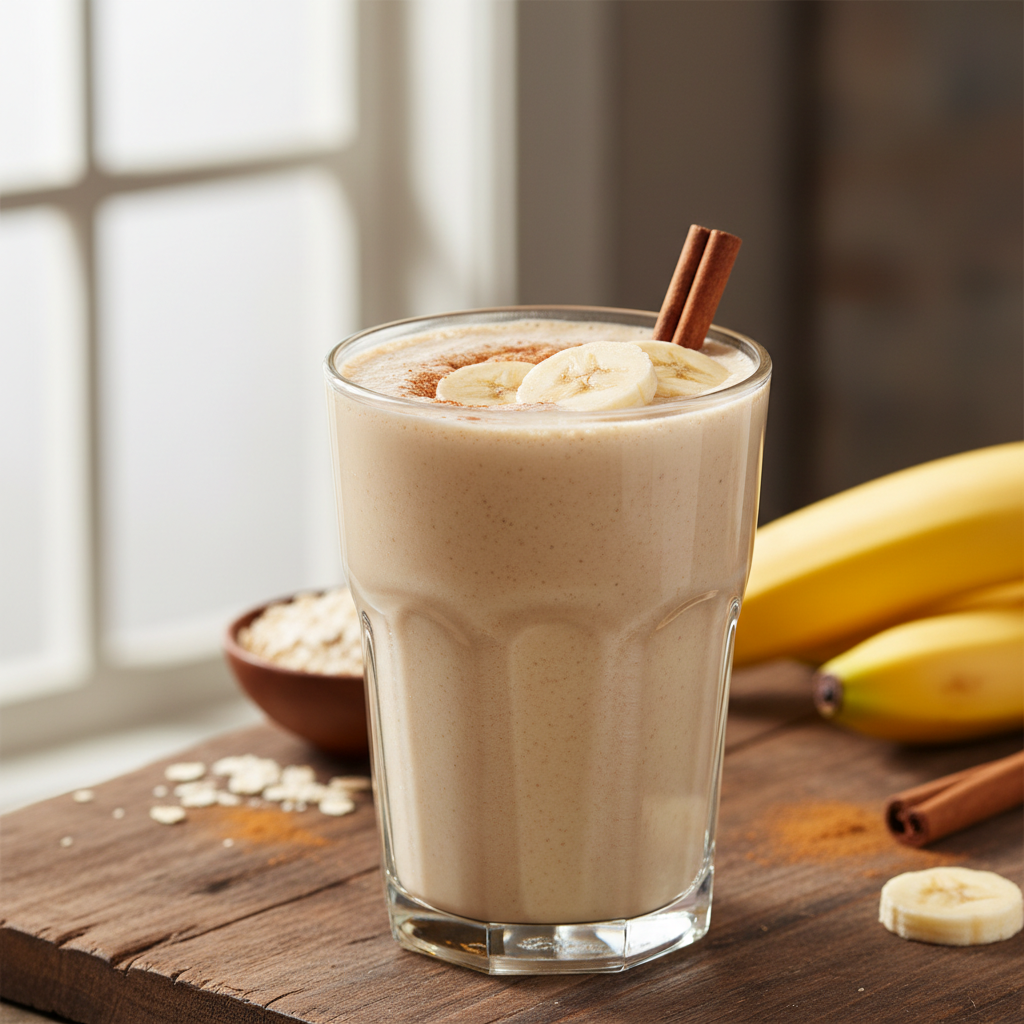
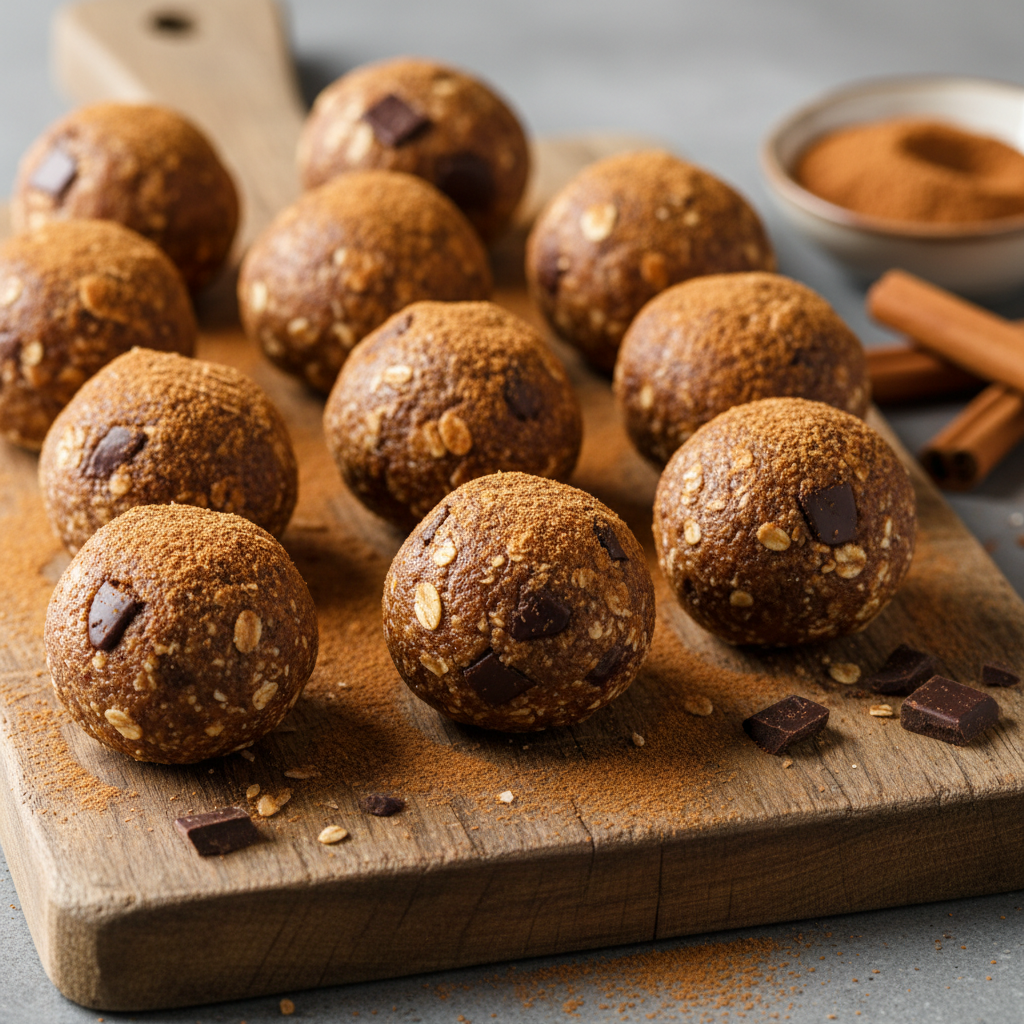
From the Cinnamon Kitchen
Recipes with a Purpose
121+ research-inspired recipes, each built around a meaningful dose of Ceylon cinnamon.


Get the Free
Cinnamon Safety & Dosage Guide
A concise, research-backed PDF covering everything you need to know before taking cinnamon therapeutically — dosage, safety, type selection, and drug interactions.
- Ceylon vs Cassia: which is safer for daily use
- Evidence-based dosage guide with EFSA safety limits
- Which medications interact with cinnamon
- Australian product recommendations
- Blood sugar timing & dosing protocols
Based on EFSA guidelines, published RCTs, and TGA safety standards. Updated October 2026.
Get the Free Guide
Instant delivery to your inbox
🔬
Research-backed
🔒
100% free
🇦🇺
Australian focus
From Ancient Remedy to Modern Science
Research Timeline
Key milestones in cinnamon research spanning thousands of years.
Ancient Egyptian Use
Cinnamon was imported to Egypt and valued more highly than gold. Used in embalming and as a medicinal agent.
USDA Discovery
USDA researchers discovered that cinnamon enhanced insulin activity up to 20-fold in fat cell assays, launching modern metabolic research.
Landmark Diabetes Trial
Khan et al. published in Diabetes Care showing 1-6g/day of cinnamon reduced fasting glucose 18-29% — the study that changed everything.
Antioxidant Champion
Cinnamon ranked #1 among 26 spices tested for antioxidant capacity (ORAC: 131,420 µmol TE/100g), published in J. Agric. Food Chem.
Alzheimer's Breakthrough
Peterson et al. published in J. Alzheimer's Disease showing cinnamon extract inhibits tau aggregation and filament formation.
Cardiovascular Meta-Analysis
Multiple meta-analyses confirmed significant reductions in total cholesterol, LDL, and triglycerides from cinnamon supplementation.
Anti-Inflammatory Mechanisms
Hong et al. revealed precise NF-κB pathway modulation mechanisms in Biochemical Pharmacology.
PCOS Clinical Trial
Kort & Lobo demonstrated improved menstrual cyclicity in PCOS women with 1,500mg/day cinnamon supplementation.
Thermogenesis Discovery
Jiang et al. in Metabolism journal showed cinnamaldehyde directly activates thermogenesis in human adipocytes.
Weight Loss Meta-Analysis
Mousavi et al. comprehensive meta-analysis in Clinical Nutrition confirmed significant reductions in body weight, BMI, and waist circumference.
Ongoing Clinical Trials
Over 150 active clinical trials investigating cinnamon for diabetes, cancer, neurodegeneration, gut health, and more worldwide.
Nutritional Profile
What's Inside Cinnamon
Cinnamon is extraordinarily rich in fiber, manganese, and calcium — plus a unique cocktail of bioactive compounds found nowhere else in nature.
Vitamins & Minerals
Calories
247 kcal
per 100g
Fiber
53.1g
per 100g
Calcium
1,002mg
100% DV
Iron
8.3mg
46% DV
Manganese
17.5mg
760% DV
Vitamin K
31.2µg
26% DV
Vitamin E
2.3mg
15% DV
Copper
0.34mg
38% DV
Zinc
1.8mg
16% DV
Magnesium
60mg
14% DV
Potassium
431mg
9% DV
Phosphorus
64mg
5% DV
Key Bioactive Compounds
Cinnamaldehyde
65-80%Primary bioactive — anti-diabetic, antimicrobial, anti-inflammatory, anti-cancer
Eugenol
5-10%Anti-inflammatory, analgesic, antioxidant, dental health
Linalool
1-3%Anxiolytic, sedative, antimicrobial
Coumarin
0.004-1%Anticoagulant (varies by type — low in Ceylon, high in Cassia)
Proanthocyanidins
VariablePotent antioxidant, collagen support, cardiovascular protection
Cinnamic acid
VariableAnti-cancer, osteogenic (bone building), antioxidant
Educational Reference Only
Research Dosages & Safety Notes
Dosage ranges used in published research, provided for educational reference only. Always consult a qualified healthcare professional before taking any supplement.
| Condition | Dosage |
|---|---|
General Health & Antioxidant Support | 0.5 – 1g/day |
Blood Sugar & Type 2 Diabetes | 1 – 6g/day |
Cholesterol & Heart Health | 1 – 3g/day |
PCOS & Hormonal Balance | 1.5g/day |
Weight Management | 2 – 3g/day |
Anti-Inflammatory | 1 – 2g/day |
Best Practices
- Choose Ceylon (true) cinnamon for daily supplementation
- Start with a low dose and increase gradually
- Take with meals to enhance absorption and reduce GI irritation
- Cycle usage: 6 weeks on, 1 week off for long-term use
- Store in airtight container away from light and heat
- Combine with chromium and berberine for enhanced glucose control
Warnings & Precautions
- Cassia cinnamon contains significant coumarin (up to 1%). The European Food Safety Authority's tolerable daily intake for coumarin is 0.1mg/kg body weight — roughly 1 teaspoon of Cassia for a 130 lb person.
- Pregnant and breastfeeding women should limit intake to culinary amounts (up to 0.5g/day).
- Cinnamon may interact with diabetes medications, blood thinners (warfarin), and liver medications. Consult your healthcare provider.
- High doses may cause mouth sores, digestive irritation, or allergic reactions in sensitive individuals.
- Always choose Ceylon cinnamon for long-term supplementation to minimize coumarin exposure.
Common Questions